
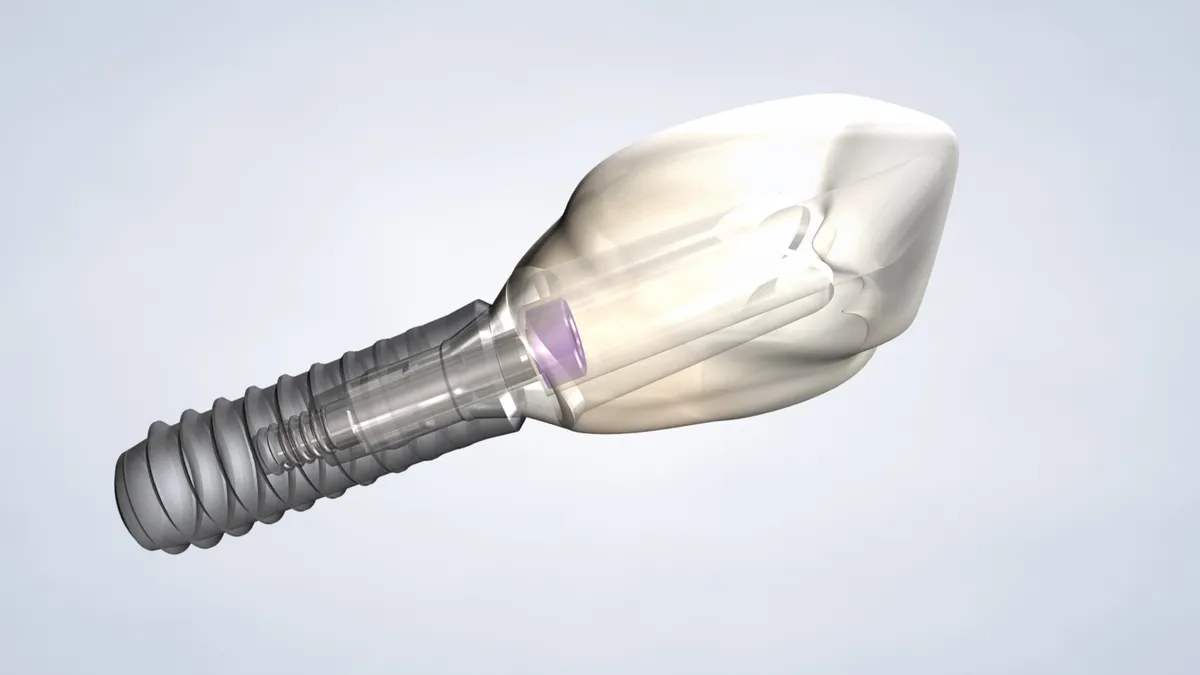
Modern Advancements in Dental Implant Technology
For individuals who have lost teeth due to trauma, decay, or gum disease, dental implants offer a reliable and long-lasting replacement solution. These implants are typically constructed from high-strength titanium, a biocompatible material that integrates with the jawbone to mimic the function and appearance of natural teeth. Whether replacing a single tooth, several teeth, or an entire arch, modern techniques have made the process more efficient than ever before.
Significant technological leaps in oral surgery—such as three-dimensional digital imaging, advanced bone grafting, and the use of biologic growth factors—have refined the precision of these procedures.
The All-on-Four Technique
In specific cases, advanced methods like the All-on-Four procedure are utilized to streamline the restorative process. This technique offers several benefits:
- Minimal Grafting: It often reduces the need for extensive bone grafting by utilizing the available bone structure more effectively.
- Reduced Healing Time: Because the procedure is optimized for stability, it often allows for a faster overall transition to permanent restorations.
- Immediate Function: In many instances, patients can have the implants placed and a temporary set of fixed teeth attached within the same day.
Preparing for Surgery and Anesthesia
Many dental implant procedures involve the use of intravenous (IV) sedation to ensure patient comfort. Adhering to strict pre-operative protocols is essential for a safe experience:
- Fasting Requirements: Patients undergoing IV anesthesia must not eat or drink anything for at least six hours prior to their scheduled surgery.
- Transportation: Because of the lingering effects of sedation, patients must arrange for a responsible adult to drive them to and from the appointment.
- Health Evaluation: A thorough review of a patient's health status is conducted beforehand to determine the safest and most appropriate type of anesthesia for their specific needs.
Post-Operative Care and Recovery
The days following surgery are critical for the long-term success of the implant. Following these recovery guidelines helps ensure optimal healing:
- Immediate Aftercare: Patients should prioritize rest and take all prescribed medications exactly as directed.
- Protecting the Site: It is common for a small metal cylinder to protrude slightly through the gums during healing. It is vital to avoid chewing on this area or disturbing the sutures.
- Hygiene Restrictions: To protect the surgical site, patients should avoid rinsing their mouths for the first 24 hours after placement.
- Activity Levels: Physical exertion should be kept to a minimum in the days following surgery to prevent throbbing or increased bleeding.
- Denture Use: If a patient wears partial or full dentures, these should generally not be used for at least 10 days after surgery to avoid putting unnecessary pressure on the new implants.
By maintaining diligent oral hygiene and following these professional guidelines, patients can ensure their new implants provide a functional and beautiful smile for years to come.