
Understanding Success Factors and Complications in Dental Implant Therapy
Dental implant surgery has a remarkably high success rate, yet as the variety of implant types and techniques grows, so does the importance of understanding potential complications. Long-term sustainability for a restored smile depends on a combination of high-quality materials, clinician expertise, and—perhaps most importantly—the patient’s overall health and commitment to care.
Common Risk Factors for Implant Failure
While modern dental implants are designed for durability, certain systemic factors and lifestyle choices can increase the risk of complications. Recognizing these early is essential for maintaining oral health. Key risk factors include:
- Tobacco Use: Smoking significantly hinders the body’s ability to heal and can interfere with the process of the implant fusing to the jawbone.
- Periodontal Disease: Active gum disease creates an unstable environment for an implant. Ensuring the mouth is healthy and infection-free prior to surgery is a prerequisite for success.
- Oral Hygiene Maintenance: Success does not end once the implant is placed. Neglecting daily brushing, flossing, and professional recall appointments can lead to inflammation and eventual failure.
- Systemic Health Conditions: Oral health and general physical health are deeply interconnected. Underlying conditions can affect how the body responds to the surgical site and the integration of the implant.
The Importance of Quality and Planning
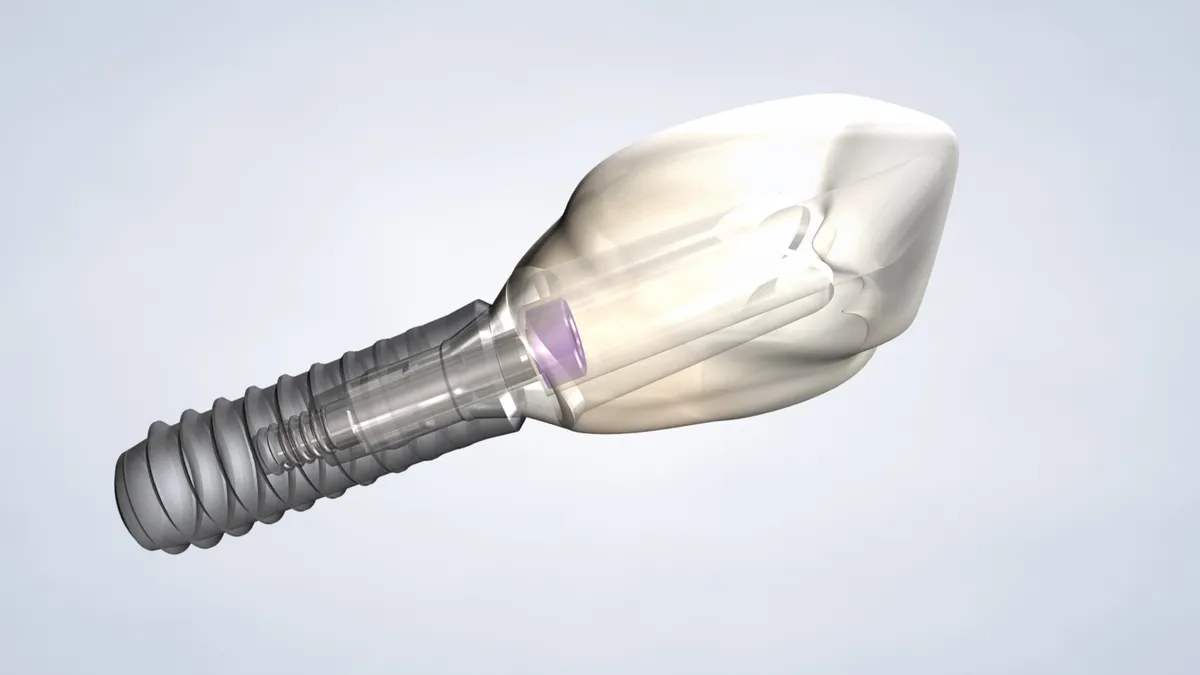
The foundation of a successful dental restoration starts with the quality of the components used. Utilizing top-tier, clinically-proven implant systems ensures that the replacement tooth—whether it is a single crown or a full-arch bridge—can withstand the physiological demands of chewing and digestion.
Furthermore, a comprehensive treatment plan is vital. This often involves:
- Site Preparation: In cases where teeth have been missing for some time or were damaged by disease, procedures like socket preservation may be necessary to ensure there is enough healthy bone to support an implant.
- Digital Guidance: The use of digital technology allows for precise placement, reducing the risk of structural complications.
- Interdisciplinary Coordination: Close collaboration between surgical specialists and restorative dentists ensures that the final result is both functional and aesthetically pleasing.
Long-Term Health Benefits
Teeth are physiologically necessary for maintaining a nutritious diet and enabling proper digestion. When multiple teeth are lost due to trauma or neglect, the impact on overall well-being can be significant.
Restoring a smile through dental implants is often a multi-stage journey, sometimes requiring several months of healing to ensure the foundation is secure. However, the result—a functional, healthy mouth—often leads to a complete transformation in a person's quality of life and general health. By prioritizing high-quality care and diligent post-operative hygiene, patients can enjoy the benefits of their dental implants for decades to come.